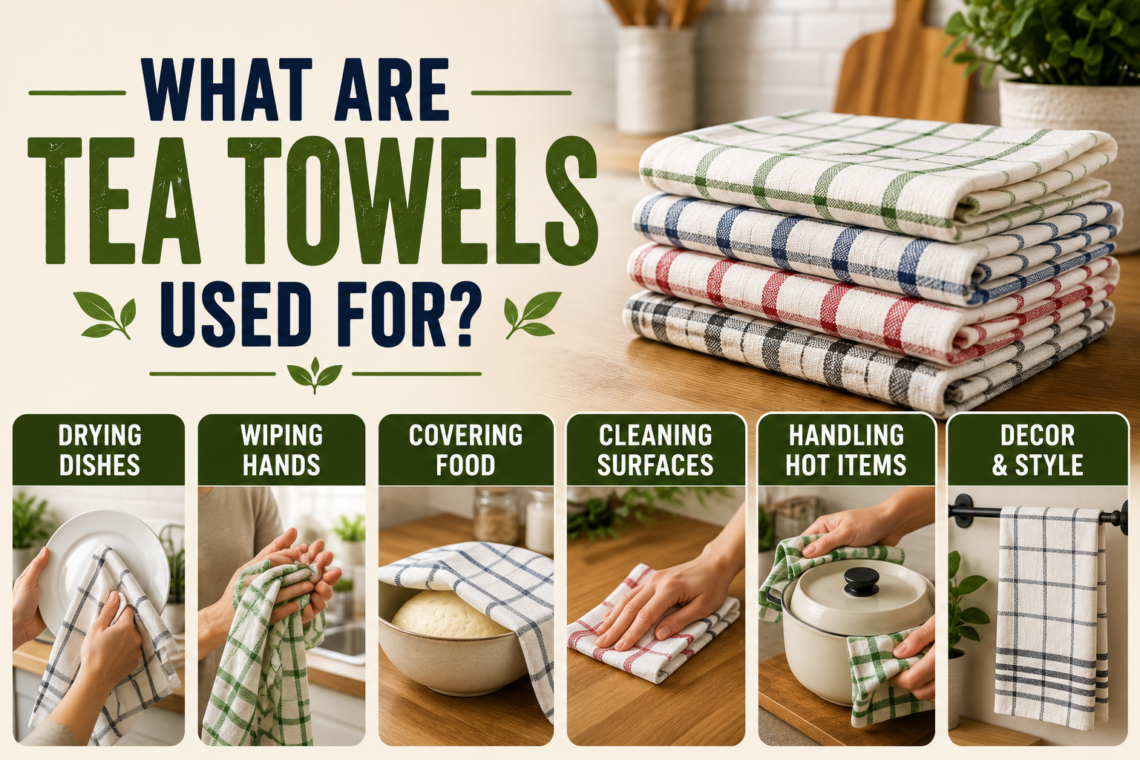
We can’t imagine our kitchens without tea towels. The most common use for tea towels is drying dishes, wiping down surfaces and other household chores. They are incredibly versatile and are used for many tasks around the kitchen. Tea towels are used for drying and for wrapping up things like freshly baked bread, and they can be used to add a splash of color to your kitchen.
The tea towel originated in England in the 18th century when servants would use them to dry delicate china and polish fine glassware. Today tea towels are used all over the world. The simple tea towel has evolved and now can be found in many different fabrics such as 100% cotton, linen, microfiber and even blends of these materials. Each of these types of tea towels has their own uses and benefits.
What Are Tea Towels? – Learn Everything About The Most Versatile Kitchen Item.
Short Answer
Tea towels can be used to dry a wide variety of objects such as plates, glasses, cutlery and kitchenware, without leaving any fiber behind. The tea towel is also used to cover fresh baked goods such as loaves of bread or pastries in order to protect them from dust. In addition to drying objects, the tea towel can also be used to line serving baskets or to handle hot dishes straight out of the oven. The towel can also be used to wipe down countertops and to clean up spills, and as decoration in the kitchen.
They are an extremely versatile item to have in any kitchen – home or professional.
Read more: is sweet tea better than soda
What Exactly Is a Tea Towel?
The word ‘tea’ in tea towels is derived from the 18th century when tea was drunk frequently by the English, and tea towels were used by the servants to dry fine china and glasses for after service. In fact, tea towels were originally used for polishing delicate glassware and fine porcelain, in order to remove any water spots and prevent scratching.
It has its roots in the afternoon tea service when the delicate porcelain tea sets would be washed and left to dry before being put back in the cabinet. Many of the tea sets were made of fine china and would easily be scratched by towels. The soft woven tea towels were the perfect item for drying and polishing delicate items such as wine glasses, tea sets and other kitchen crockery.
Today, tea towels are used for all sorts of things within the kitchen and are a staple of many professional and domestic environments.
Common Uses of Tea Towels
Even though the main use of a tea towel is for drying dishes and wiping down kitchen work surfaces, there are many more ways in which you can use your tea towels in the kitchen.
Some of the most common uses include:
- Drying freshly washed dishes
- Polishing wine glasses
- Drying delicate china
- Wiping kitchen countertops
- Covering rising bread dough
- Wrapping warm baked goods
- Lining bread baskets
- Protecting countertops from hot dishes
- Holding warm serving bowls
- Cleaning small spills
- Decorating the kitchen
- Wrapping homemade food gifts
So it goes without saying that many of the professional chefs out there can confirm that they keep several tea towels within arms reach at all times, because not only do they come in handy for a variety of reasons throughout the cooking process, but also they make for a very efficient means of completing a number of tasks too.
Drying Dishes Without Leaving Lint
Why People Prefer Using Tea Towels Over Regular Towels For Drying To Avoid Leaving Fibers Behind.
Glassware, wine glasses, stainless steel utensils, and even the most polished cookware can quickly accumulate lint marks when dried with a thicker towel. But cotton tea towels and linen tea towels are specifically woven to be lint-free which is why they are the preferred choice for drying delicate items within the kitchen.
For households that regularly have to entertain, tea towels can make a big difference between dirty dishes and clean ones.
Polishing Glassware and Fine China
For people who like to polish glassware and other fine kitchen items after washing, tea towels are often preferred to regular towels for drying.
Instead of allowing water to dry and leave unsightly water marks on glass, people use tea towels to polish their glassware. Many professional chefs use tea towels to dry glasses in restaurants, hotels and cafes. They use a clean tea towel to buff the glass until it is sparkling. This is also commonly used for Champagne flutes and fine crystal. Silver, stainless steel and other polished cookware and cutlery can also be polished with a tea towel.
Tea towels work particularly well for:
- Wine glasses
- Champagne flutes
- Crystal bowls
- Fine china
- Silver serving trays
- Stainless steel cookware
They are gentle enough not to scratch delicate surfaces.
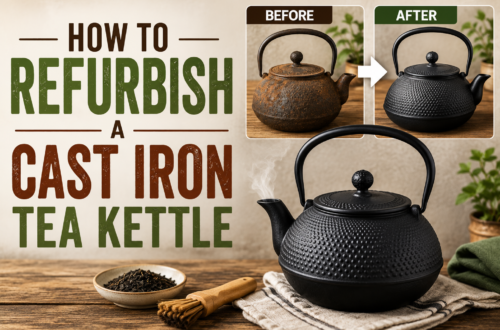
Read more: how to refurbus cast iron tea kettle
Covering Bread Dough While It Rises
Home bakers use tea towels throughout their bread making.
The most important thing when you are letting your bread dough rise is to protect it from the dust in the air while at the same time allowing it to rise (i.e. for it to increase in volume as it ferments). A clean tea towel spread over the top of your mixing bowl is the perfect tool for this job.
Tea towels are also commonly used when making:
- Sourdough bread
- Dinner rolls
- Pizza dough
- Cinnamon rolls
- Artisan loaves
This protects the bread from becoming soggy while still allowing excess moisture to escape, unlike plastic wrap which holds to much moisture.
Keeping Fresh Bread Warm
Freshly baked bread often develops a hard crust if exposed directly to air immediately after baking.
Freshly baked bread can quickly develop a hard crust if left to cool exposed to the air. By wrapping the bread in a clean tea towel it is kept warm and any excess steam is allowed to escape gradually. The result is a crisp crust and not a soggy piece of bread.
Many bakeries will also use a tea towel to keep their freshly baked bread warm for a short period of time before serving it to customers.
Protecting Delicate Kitchenware
Fine china, ceramic dishes and crystal glassware are extremely prone to chipping when stacked one on top of another even when they have been carefully cleaned.
Most people place a tea towel or two between their delicate items to prevent them from getting scratched and broken. This is particularly true for fine china, delicate ceramic, crystal and other breakable items.
This method is particularly useful for:
- Holiday dinnerware
- Antique plates
- Crystal serving bowls
- Decorative ceramics
- Fine porcelain
Tea towels offer an excellent protection for your delicate kitchenware without taking up too much of storage space.
Using Tea Towels as Decorative Kitchen Accessories
In addition to their many uses for cleaning, tea towels can also be used as decorative items in the kitchen.
Kitchen Tea Towels with Decorative Designs – Perfect Match for Your Kitchen. These towels are available in a large variety of styles and colors, in many seasonal designs, such as Christmas tea towels, Halloween tea towels, as well as funny tea towels with various quotes. Tea towels can also be found with floral prints or any other design. These are great gifts for any homeowner and are also perfect to be used as decorative items in the kitchen. You can use them to add some color to your kitchen and make your kitchen more inviting. Some homeowners like to put matching tea towels on the oven handles or on the towel bars in their kitchen.
Decorative tea towels are also often given as gifts during special occasions like holidays, weddings and housewarming parties.
Can Tea Towels Replace Paper Towels?
In many situations, yes.
A tea towel can be used instead of paper towels for a multitude of daily kitchen cleaning jobs. While a paper towel might be the better option for greasy or raw meaty jobs, tea towels are superior for all the rest of daily cleaning tasks in the kitchen, like: drying hands; wiping down and cleaning countertops and work-surfaces; wiping and cleaning of produce; soaking up spills and splashes; drying of dishes and pans etc.
They can be used instead of paper towels for:
- Drying hands
- Wiping clean countertops
- Drying vegetables
- Cleaning spills
- Drying dishes
- Covering baked goods
Not only can you use your tea towels for hundreds of cleanings before you throw them away, making them one of the eco-friendly kitchen items available today, tea towels can also add a touch of class to any kitchen.
Read more: does manzanilla tea have caffeine
Tea Towels vs Dish Towels
There is an argument that tea towels and dish towels are used to refer to two different items but this is a view that is not shared by all. Many people use the terms interchangeably.
| Feature | Tea Towel | Dish Towel |
|---|---|---|
| Thickness | Thin | Usually thicker |
| Material | Cotton or linen | Cotton, microfiber, terry cloth |
| Main Purpose | Drying and polishing | General kitchen cleaning |
| Lint | Very low | Slightly higher |
| Decorative Designs | Common | Less common |
| Best For | Glassware and fine dishes | Everyday cleaning |
Many people will keep to hand both tea towels and dish towels as they are better for different tasks.
How to Care for Tea Towels
Proper care of tea towels can extend the life of your tea towels keeping them absorbent and clean for years to come.
To keep them in good condition:
- Wash regularly in warm water.
- Avoid excessive fabric softener.
- Dry completely before storing.
- Replace heavily stained towels.
- Separate heavily soiled towels from lightly used ones.
- Keep several towels available for different kitchen tasks.
Using tea towels correctly, and washing them well is the key to keeping them fresh for years to come and also preventing bacterial growth and nasty smells.
Choosing the Best Tea Towel Material
Not every tea towel performs the same way.
Cotton tea towels are the most commonly used due to their softness, absorbency and cost. However, there is another material that makes a better tea towel than cotton – linen. Not only does it dry quickly it also leaves very little lint behind, making it ideal for drying and polishing glasses and crockery. A third material, microfiber, is highly absorbent but is more often used for cleaning than for general tea service use.
Each towel has its strengths and can be better for certain uses than for others.
Are Tea Towels Hygienic?
Tea towels are perfectly hygienic when cleaned regularly.
Like any kitchen cloth, tea towels can be breeding grounds for bacteria if left to become moist for too long. It is therefore best to swap towels frequently for the washing machine is always your best bet however.
For food safety it is best to use a separate tea towel for the following:
- Drying dishes
- Drying hands
- Covering baked goods
- Cleaning surfaces
Using separate tea towels for various tasks can help you to prevent cross-contamination.
Final Thoughts
Tea towels are so much more than just a pair of dish-drying cloths to be left hanging from a kitchen towel rail. Oh no, tea towels are soft and absorbent, making them perfect for drying dishes and polishing up glasses. They can be used to dry hands, to cover up bread dough that is rising, to wrap up freshly baked bread and even to protect delicate items of kitchenware from breaking. And, of course, tea towels are great for adding a splash of color to your kitchen, making them a very fashionable addition to your kitchen. In recent years, many people have turned to using disposable paper towels in their kitchens, believing them to be the more hygienic option. However, there is no reason why you cannot continue to use reusable tea towels in your kitchen, and they are certainly a more environmentally friendly option. So, there is really no excuse not to have a few clean tea towels hanging from your kitchen towel rail at all times, ready and waiting to be used for a variety of different tasks that you will encounter in your kitchen.
Frequently Asked Questions
Why are they called tea towels?
Where did you know that Tea towels were originally used during traditional afternoon tea service in England to dry and polish fine china and delicate teaware before serving guests.
Are tea towels different from dish towels?
No. Tea towels are very thin, they are lint free so they don’t leave any fibers on pots and pans and other items and they are designed for drying and polishing as opposed to general cleaning. A typical dish towel is thicker and is used for general cleaning and drying in the kitchen.
Can tea towels be used for baking?
Tea towels can be used to cover bread in the oven whilst it is rising. Freshly baked bread can be wrapped in tea towels and placed on the table. Tea towels can also be used to line serving baskets with.
How often should tea towels be washed?
Tea towels should be washed regularly washed, especially if you have used them heavily in the kitchen and they have become damp or soiled.
What material is best for tea towels?
Cotton and linen are the preferred materials of tea towels. They are absorbent, durable and do not leave lint on your dishes and glassware.